In August 2024, a major storm caused Blydenburgh County Park’s Stump Pond Dam to fail. Now, Suffolk County faces a decision: spend millions to build a new, larger dam at the site of the former Stump Pond Dam or let the Nissequogue River run.
We have a once-in-a-generation opportunity to restore Long Island’s most ecologically significant river.
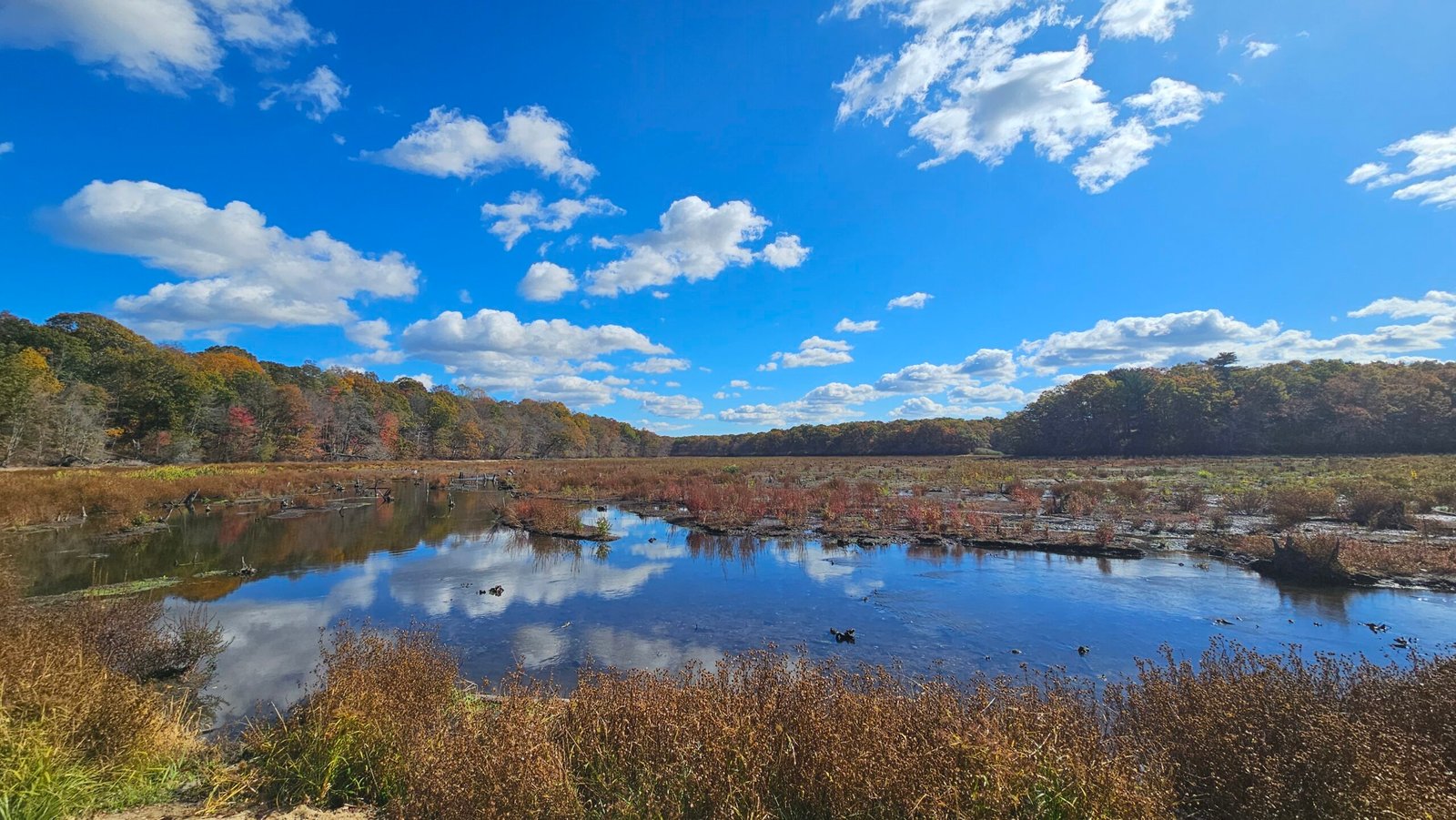
A free-flowing river supports clean water, healthy wetlands, and thriving native species.
A free-flowing Nissequogue naturally reduces flood risk and buffers storm impact.
Building a new dam will cost over $10M plus millions more in long-term maintenance.
The construction of a pedestrian bridge would reconnect the Green Belt Trail for hikers and equestrians.
A free-flowing river better reflects our island's history, offering us a scenic view of an ancient landscape.
Across the U.S., communities are removing aging dams and restoring rivers to their natural beauty.
Start by raising your voice! Click here and let legislators know you don’t support the proposed new dam.
Since the dam failed, the river has found its historic course and a robust natural restoration has taken hold on the floodplain. Water is flowing freely, plants are growing (more than 120 species have already been documented) and native wildlife are returning to the improved habitat.
Yes. A free-flowing river will still provides safe, accessible fishing opportunities and the riparian meadows will improve chances to observe native plants, birds, pollinators and other wildlife (especially if new trails & boardwalks are installed!).
We also strongly support the construction of a pedestrian bridge to reconnect the Greenbelt Trail, which will allow full resumption of the hiking, running, cycling, horseback riding and other recreational opportunities that people love about Blydenburgh County Park.
Fish ladders are expensive, require ongoing maintenance, only work for some species and are only successful in moving a percentage of the species they’re intended to help.
More problematic is that even with a fish ladder, the dam remains, which creates a shallow, warm-water pond that does not provide the right habitat for native fish to thrive.
A free-flowing river restores natural movement for all aquatic life and provides the habitat native fish require.
A new dam does not guarantee the return of bass, which are not native to the river. However, a free-flowing river is conducive to the iconic but increasingly uncommon native brook trout, and migratory fish species such as American eel and river herring.
Visit coalition partner Seatuck Environmental Association to learn more about the history of the Nissequogue River and many benefits of restoring its natural flow.
What: Suffolk County Full Legislature General Meeting
Where: Evans K. Griffing Building (Maxine S. Postal Auditorium, 300 Center Drive, Riverhead, NY 11901)
When: Tuesday, March 10 at 9:30 am
A free-flowing Nissequogue is still within reach. A powerful turnout in support of a resilient river can help shape what happens next.
Please email info@freethenissequogue.org with any questions.